
Exploring the rich history of casinos through the ages
The Origins of Gambling
The history of casinos dates back thousands of years, with evidence of gambling activities found in ancient civilizations. From the ancient Chinese using tiles for a rudimentary lottery to the Romans enjoying games of chance, gambling has been a part of human culture since its inception. The earliest known physical establishments dedicated to gambling emerged in the 17th century in Italy, particularly in Venice, where the first official casino, the Ridotto, was established. Today, you can find the best real money online casino australia catering to modern players seeking thrilling experiences.
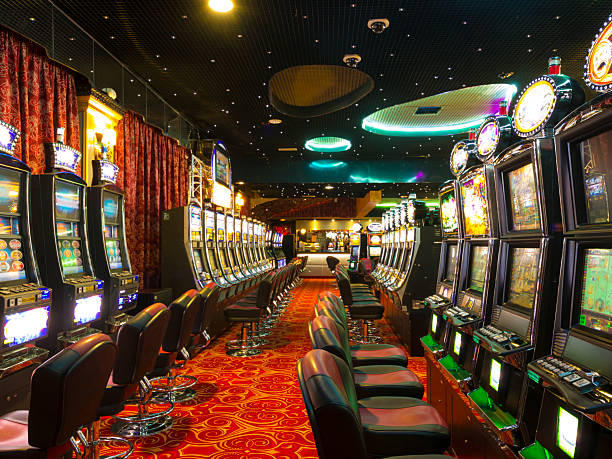
These early venues served not only as places for gambling but also as social gathering spots, where the elite could engage in games of chance and skill. This set the stage for the evolution of casinos into luxurious entertainment complexes that we see today, blending gaming with hospitality and fine dining.
The Rise of Modern Casinos
The 19th century marked a significant turning point in the history of casinos, particularly with the establishment of Monte Carlo as a gambling hotspot. The Casino de Monte-Carlo opened its doors in 1863 and quickly became a symbol of luxury and opulence. It attracted wealthy patrons from across Europe and laid the groundwork for the modern casino industry.
Simultaneously, the introduction of games like poker and blackjack contributed to the diversification of offerings at these establishments. As gambling became more mainstream, casinos began to proliferate, with Las Vegas emerging in the mid-20th century as the gambling capital of the world. The combination of glamour, entertainment, and gaming transformed Las Vegas into an iconic destination.
The Impact of Legislation and Technology
The evolution of casinos has been heavily influenced by legislation and technological advancements. In the United States, the legalization of gambling in Nevada in 1931 set a precedent that would lead to the establishment of casinos across the country. This paved the way for states like New Jersey and others to follow suit, each creating their unique regulatory frameworks.
In recent decades, technology has further revolutionized the casino industry. The rise of online gambling platforms has made it possible for players to enjoy their favorite games from the comfort of their homes. This shift not only expanded the reach of casinos but also introduced new games and variations, catering to a broader audience and adapting to changing consumer preferences.
Celebrities and Their Gambles
Throughout history, casinos have attracted numerous celebrity gamblers whose stories often become as legendary as the games they play. Figures like Frank Sinatra and other members of the Rat Pack epitomized the glamorous casino lifestyle in Las Vegas during the mid-20th century. Their presence not only drew fans but also helped to establish the city as a premier entertainment hub.
In more recent times, celebrities like Ben Affleck and Paris Hilton have made headlines for their gambling exploits, showcasing both the thrill and the risks associated with high-stakes games. These stories often highlight the allure of casinos, where fortunes can change within minutes, capturing the fascination of the public.

Conclusion: A Legacy of Entertainment
As we look back on the rich history of casinos, it’s evident that these establishments have played a significant role in shaping social and entertainment landscapes. From their ancient origins to modern-day luxury resorts, casinos continue to evolve while maintaining their core appeal: the thrill of chance and the promise of excitement.
For those interested in experiencing the latest in gaming and entertainment, exploring online casinos can provide a contemporary take on this timeless tradition. With innovations in gameplay and an array of options, today’s casinos cater to a diverse audience, ensuring that the legacy of gambling lives on in new and exciting ways.